Kamana Clinic · Surgical oncology
Cancer Care
Understand the diagnosis.
Explore treatment. Find support.
Consultation with Dr. Ashish Kharel for thoracic, gastrointestinal, hepatobiliary and breast cancer care, including diagnostic evaluation, surgical treatment planning and counselling.
Areas of care
A plan built around your diagnosis.
Care begins with understanding the cancer’s type, location and stage, together with your overall health and preferences. Tests and treatment are selected individually; surgery may be one part of a wider care plan.
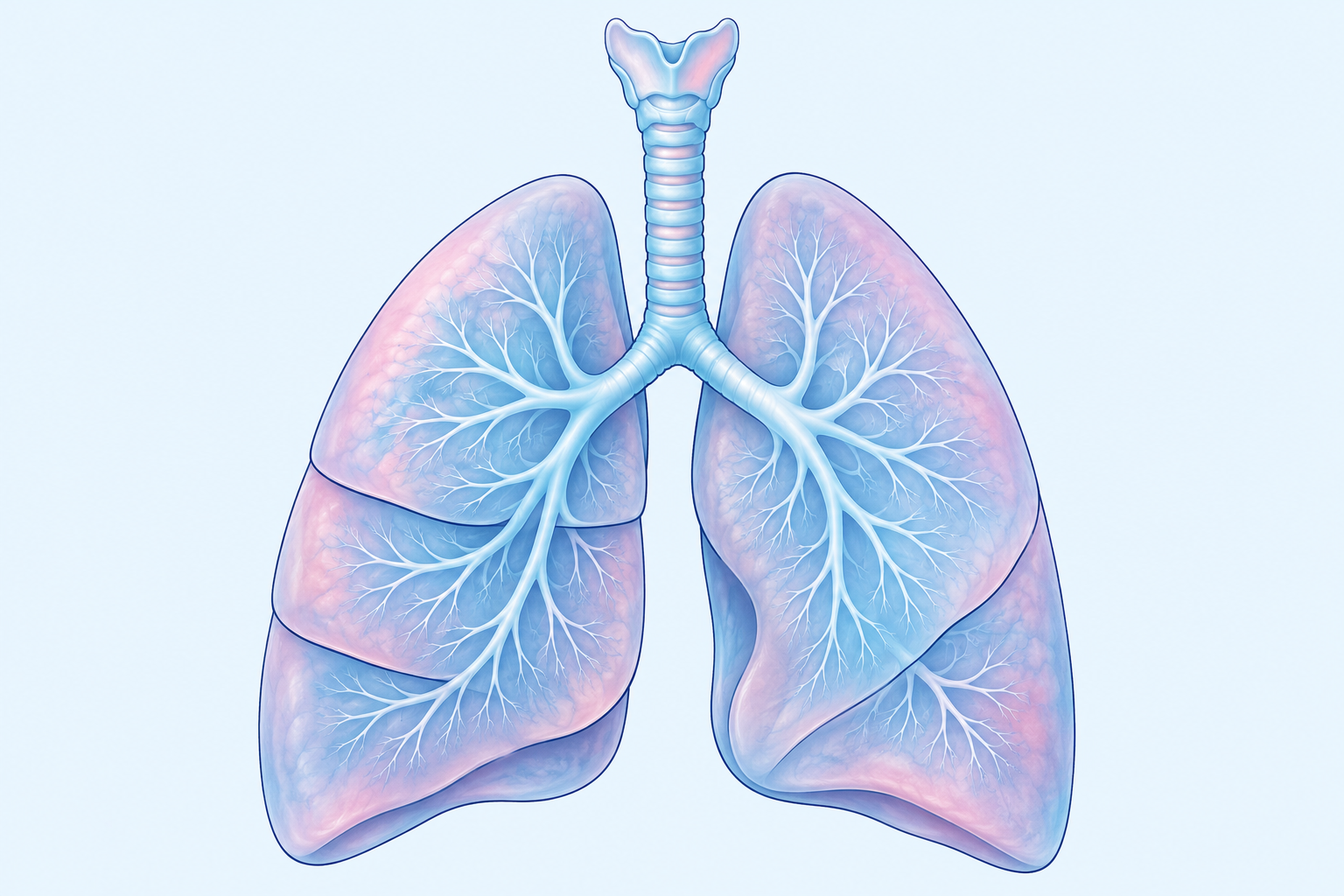
01 / Lung & chest
Thoracic cancer care
Assessment of suspected or diagnosed lung and other chest tumours.
Diagnosis
Review of symptoms, scans and pathology. Depending on the suspected tumour, evaluation may involve CT imaging, bronchoscopy or a tissue biopsy, with further tests to assess spread and fitness for treatment.
Surgical treatment
Assessment of whether a tumour can be removed safely. For selected lung cancers, surgery may remove part of the lung and assess nearby lymph nodes. The approach depends on the tumour and the patient’s lung function.
Counselling
Discussion of treatment goals, breathing and recovery, surgical risks, and the possible role of other cancer treatments.
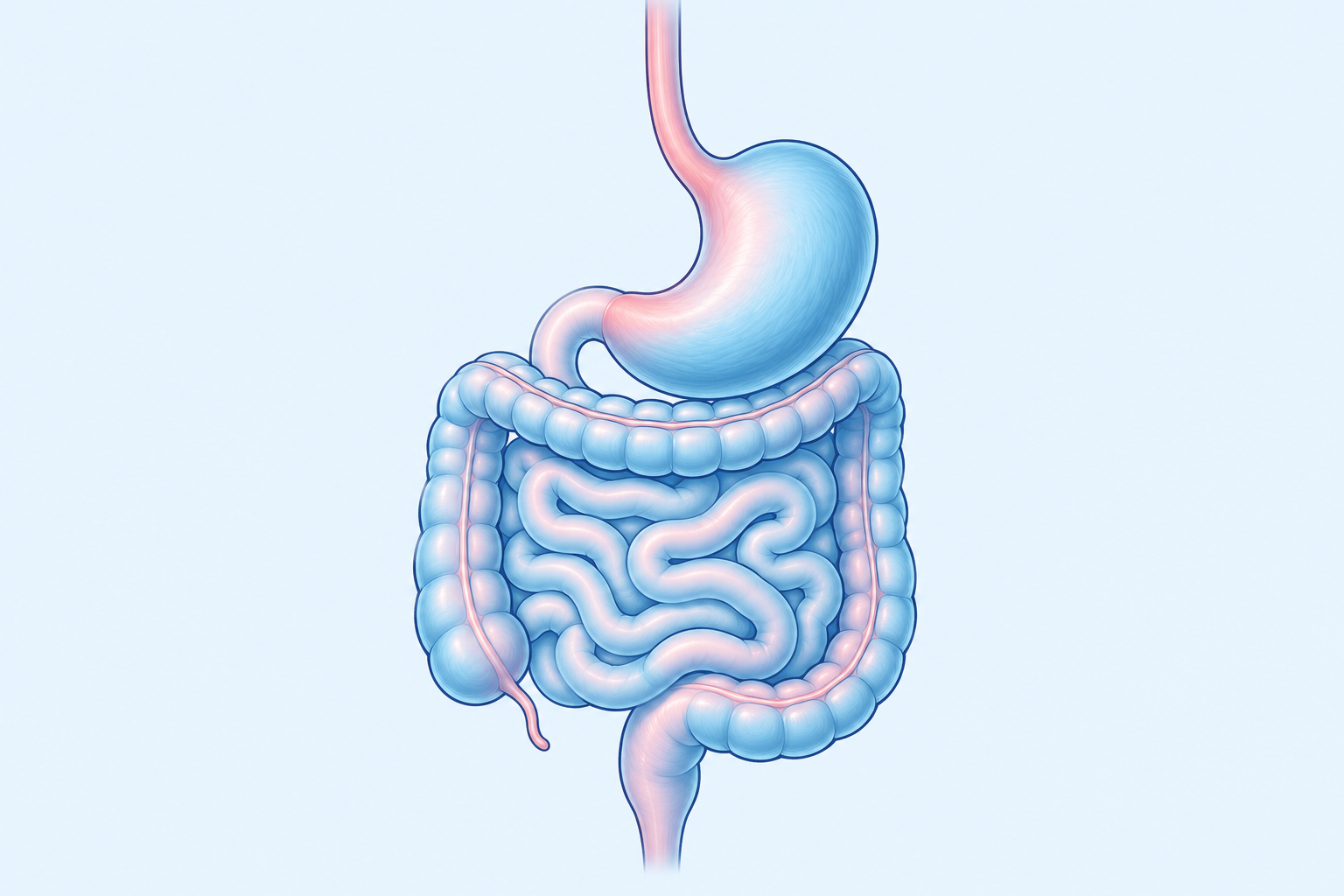
02 / Digestive tract
Gastrointestinal cancer care
Care planning for cancers of the food pipe, stomach, colon and rectum.
Diagnosis
Review of endoscopy or colonoscopy findings, biopsy reports and imaging to establish the diagnosis and assess the extent of disease.
Surgical treatment
Discussion of removing the affected part of the digestive tract and relevant lymph nodes when appropriate. Some cancers require treatment before or after surgery, coordinated with the oncology team.
Counselling
Explanation of eating and bowel changes, nutritional needs, recovery and, when relevant, the possibility of a temporary or permanent stoma.
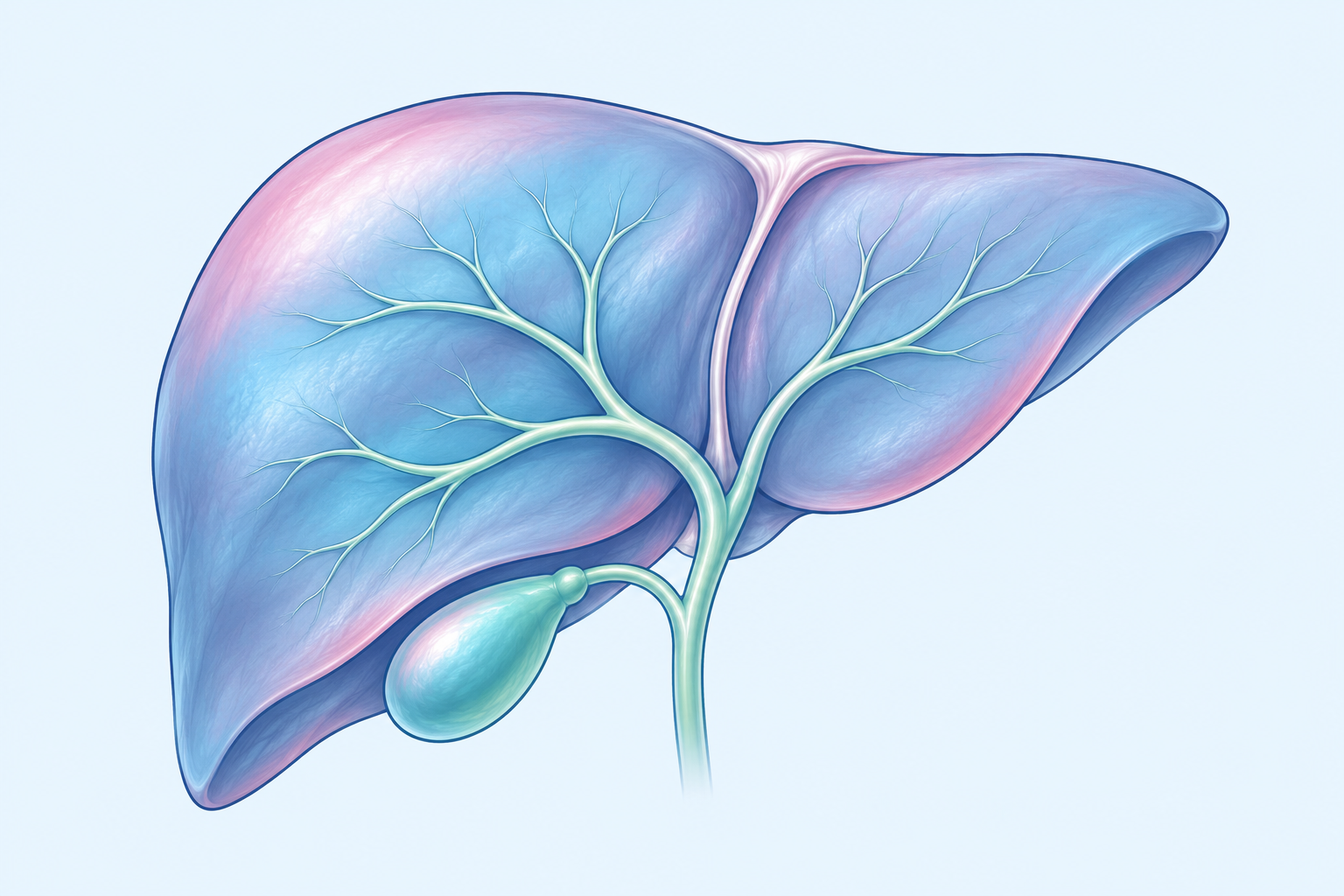
03 / Liver, gallbladder & bile ducts
Hepatobiliary cancer care
Assessment and treatment planning for liver, gallbladder and bile duct cancers.
Diagnosis
Evaluation may include blood tests, liver function assessment and ultrasound, CT or MRI. A biopsy is considered when needed; some liver cancers can be diagnosed using characteristic imaging findings.
Surgical treatment
Assessment for removal of an affected liver segment, gallbladder or bile duct, depending on the tumour. Operability depends on cancer extent, remaining liver function and overall fitness. Complex care is coordinated with the appropriate hospital specialists.
Counselling
Discussion of surgical suitability, liver health, recovery, and options for symptom relief or other treatment when surgery is unsuitable.
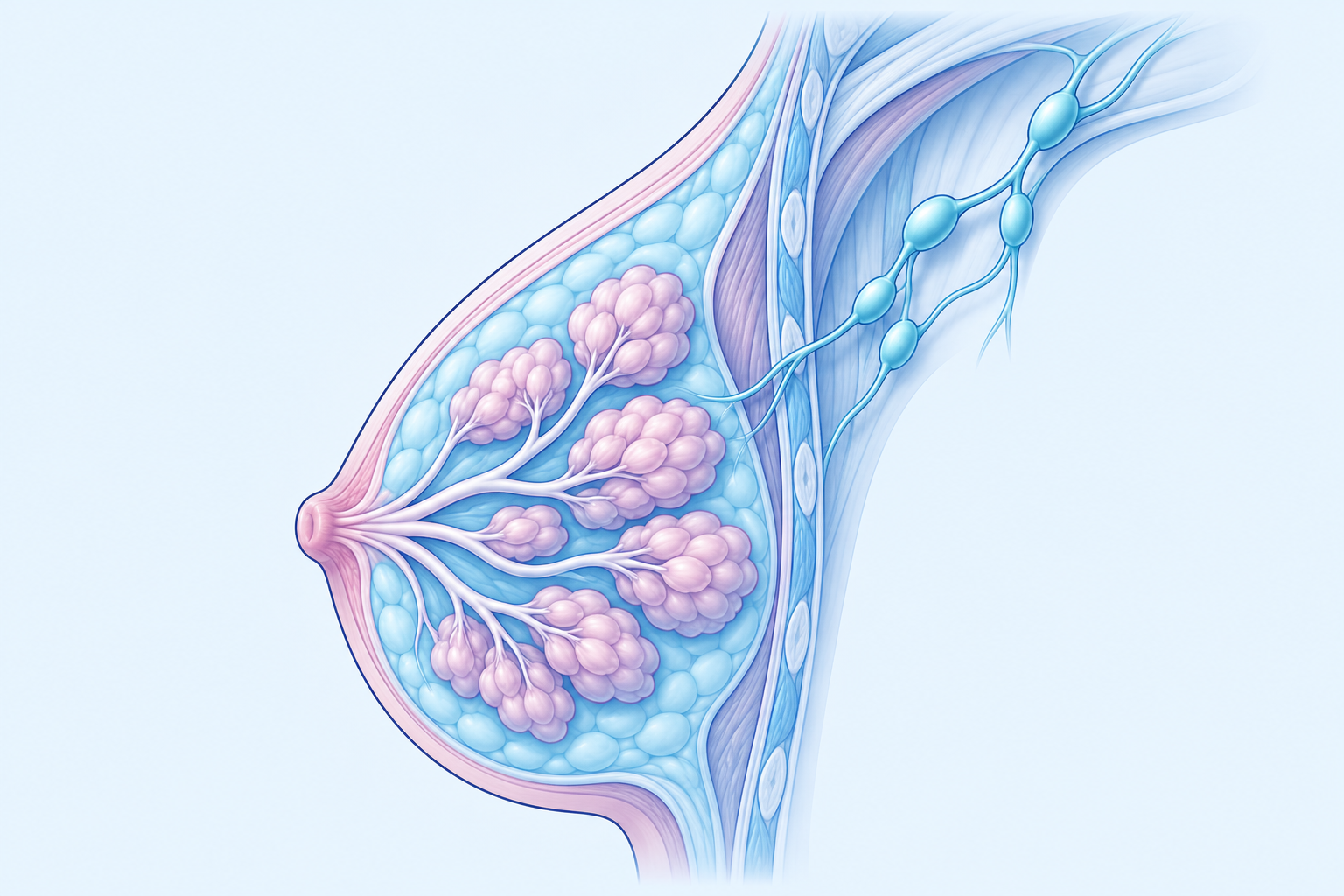
04 / Breast
Breast cancer care
Evaluation of breast changes and care planning after a breast cancer diagnosis.
Diagnosis
Clinical assessment, appropriate breast imaging such as mammography or ultrasound, and biopsy when indicated. Pathology and receptor testing help guide treatment choices.
Surgical treatment
Discussion of breast-conserving surgery or mastectomy and lymph node assessment when appropriate. Treatment planning may also involve radiotherapy or medicines, depending on cancer type and stage.
Counselling
Support with understanding surgical choices, body image, recovery, reconstruction options and follow-up needs.
These are examples of diagnostic and treatment approaches, not a procedure recommendation or a guarantee of suitability. Investigations, surgery and other hospital treatments are arranged or referred as appropriate.
Counselling & shared decisions
Time for questions.
Support for decisions.
A suspected or confirmed cancer diagnosis can feel overwhelming. Counselling provides space to understand reports, discuss the goals and limits of treatment, and consider what matters most to you.
A family member or trusted person can join the discussion if you wish. Additional psychological, nutritional, rehabilitation or palliative care support can be arranged through referral when needed.
What we discuss
- Your diagnosis, stage and any further tests needed
- Treatment options, expected benefits, risks and alternatives
- Preparation for surgery and recovery at home
- Emotional concerns, daily activities and family support
- Follow-up, symptom control and coordination with other specialists
Your care pathway
From first review to follow-up.
1. Review & diagnosis
Bring your scans, biopsy reports, previous treatment records and medicine list. Further tests are discussed as needed.
2. Treatment planning
Discuss surgical suitability, alternatives and the sequence of care. Medical and radiation oncology input is coordinated when needed.
3. Recovery & support
Plan follow-up, review pathology after surgery and discuss recovery, ongoing treatment and supportive care.
Surgery is not suitable for every cancer. Hospital procedures and multidisciplinary care are coordinated according to the individual diagnosis and available facilities.
Talk through your next step.
Dr. Ashish Kharel · Kamana Clinic
Hospital Line, Butwal-6, Rupandehi
Lumbini Province, Nepal
Please confirm appointment availability before visiting.
Patient information resources: National Cancer Institute — cancer surgery, lung cancer, stomach cancer, colon cancer, liver cancer diagnosis, bile duct cancer, breast cancer treatment and emotional support. General information complements an individual medical consultation.