Kamana Clinic · Diagnostic & therapeutic care
Endoscopy
A closer look.
A clearer next step.
Information about upper GI endoscopy, colonoscopy and bronchoscopy, including diagnostic assessment, tissue sampling and selected treatments performed through an endoscope.
Understanding endoscopy
Diagnosis and treatment through a camera-guided scope.
Diagnostic endoscopy examines the lining of an organ and can collect samples for testing. Therapeutic endoscopy uses instruments passed through the scope to treat selected problems.
Our endoscopy platform
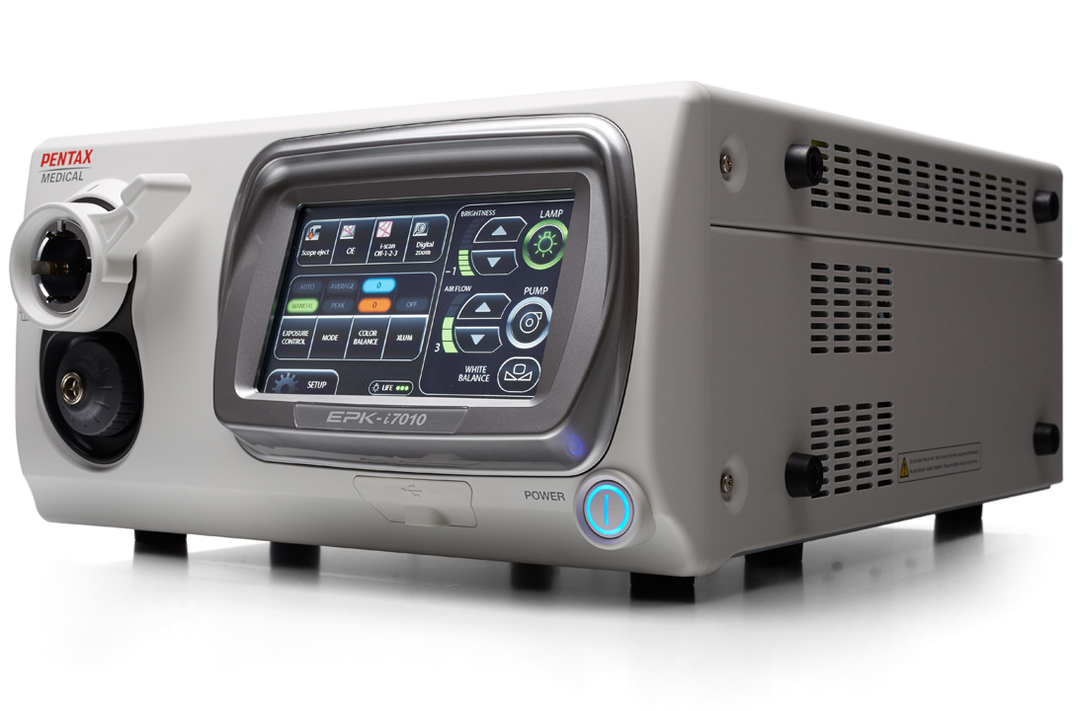
PENTAX EPK-i7010
We perform endoscopic procedures using our advanced PENTAX EPK-i7010 endoscopy platform.
01 / Food pipe, stomach & duodenum
Upper GI endoscopy (UGI / EGD)
A flexible camera examines the oesophagus, stomach and first part of the small intestine.
The treatment method is chosen according to the findings and clinical setting; some problems require additional specialist or hospital care.
02 / Large intestine & rectum
Colonoscopy
A flexible camera examines the colon and rectum. A clear bowel is essential for a useful examination.
Polyps and biopsy samples may need laboratory analysis. The findings and pathology results guide any further treatment and surveillance.
03 / Windpipe & airways
Bronchoscopy
A camera-guided scope examines the windpipe and branching airways inside the chest.
Advanced airway treatments, such as tumour debulking or stenting, require specialist assessment and appropriate hospital facilities. These are coordinated or referred when needed.
Before, during & after
Prepare with clear instructions.
Before your procedure
Bring your reports and medicine list. Discuss allergies, blood thinners, diabetes medicines and heart or lung conditions. Follow your team’s fasting and, for colonoscopy, bowel preparation instructions. Do not change medicines without advice.
Comfort & consent
Ask about numbing medicine, sedation or anaesthesia, and the monitoring planned for your procedure. Discuss possible biopsy or treatment beforehand. If sedation is used, arrange an escort and follow the team’s restrictions on driving.
Results & recovery
Receive aftercare instructions and a plan for results review. Biopsy results take additional time. Ask when you can eat, drink, restart medicines and return to normal activities.
Risks vary by procedure and intervention and may include bleeding, perforation, sedation-related breathing problems or, after some lung biopsies, a collapsed lung. Seek urgent care for severe or worsening pain, difficulty breathing, fever or significant bleeding after a procedure.
Discuss the right next step.
Dr. Ashish Kharel · Kamana Clinic
Hospital Line, Butwal-6, Rupandehi
Lumbini Province, Nepal
Please confirm procedure availability, location and preparation before visiting.
Further patient information: NIDDK: upper GI endoscopy, NIDDK: colonoscopy, ACG: upper endoscopy, MedlinePlus: bronchoscopy and BAL and AATS: bronchoscopy. This information complements an individual consultation.